

The Role of Private Sector in Nigeria’s Agricultural Growth: Illaj Holdings’ Perspective
Agriculture is a cornerstone of Nigeria’s economy, contributing nearly 25% of the nation’s GDP and providing livelihoods for about 70% of the population. Despite this, the sector continues to grapple with numerous challenges, including outdated farming techniques, insufficient infrastructure, and widespread food insecurity. The private sector plays a pivotal role in addressing these challenges, driving innovation, and promoting sustainable practices. One of such example is Illaj Holdings, a diversified Nigerian company with a focus on agriculture, agroprocessing, and mechanization. Through its initiatives, Illaj Holdings is catalyzing agricultural development, improving food security, and boosting Nigeria’s agricultural productivity.
The Private Sector’s Crucial Role in Agricultural Development
Nigeria’s agricultural sector has long been dominated by smallholder farmers who face significant challenges, such as limited access to modern farming tools, inadequate infrastructure, and minimal market integration. The private sector is essential in closing these gaps and driving sustainable agricultural growth. Companies like Illaj Holdings are pivotal in modernizing Nigeria’s agriculture by introducing innovative solutions and helping farmers increase their productivity and incomes.
1. Mechanization: Boosting Productivity
One of the most pressing issues in Nigeria’s agricultural sector is low productivity. According to the Food and Agriculture Organization (FAO), about 70% of Nigeria’s agricultural production comes from smallholder farmers, yet many of them rely on outdated methods. Limited access to mechanization has kept productivity low, with most farms relying on labor-intensive practices that cannot meet the needs of Nigeria’s growing population.
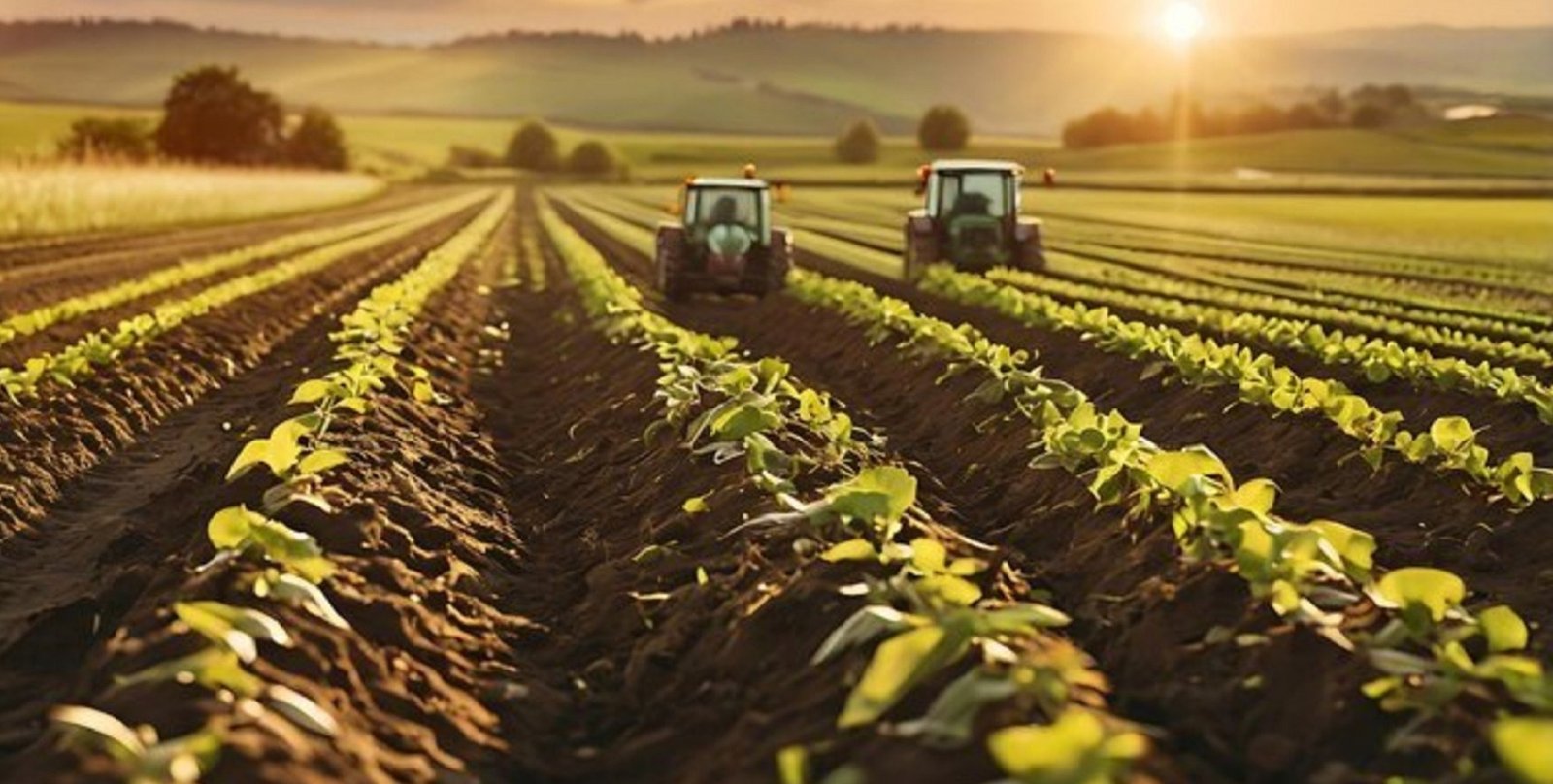
Illaj Holdings, through its subsidiary Illaj Farm Inputs and Mechanization Ltd. (IFIM), is tackling this challenge head-on by providing farmers with access to modern agricultural machinery. IFIM offers precision farm mapping, seedling supply, tailored fertilizer solutions, and mechanized farming services that help farmers optimize land use and increase yields. Studies show that access to mechanization can increase farm productivity by up to 30%, reducing the time and labor needed for planting and harvesting.
By offering affordable rental services for tractors and other equipment, IFIM ensures that even smallholder farmers can benefit from modern technology, enabling them to transition from subsistence farming to more commercial-oriented agriculture.
2. Agroprocessing: Adding Value and Reducing Imports
Nigeria’s reliance on raw agricultural exports has been a long-standing issue, with the country often importing finished goods at a premium, despite being a major producer of raw materials. For example, in 2022, Nigeria spent nearly $10 billion on food imports, including staples such as rice and wheat, contributing to a trade imbalance that weakens the local economy. Value addition through agroprocessing is critical to reversing this trend.
Illaj Holdings is leading efforts to add value to local produce through its agroprocessing subsidiary. Illaj Agroprocessing focuses on maize and rice, two of Nigeria’s most widely consumed staples. The company processes these crops into finished goods, such as maize flour and packaged rice, reducing the need for imports and creating jobs within the local economy. Value addition also helps Nigeria capture more of the food value chain, retaining wealth within the country.
3. Addressing Food Security
Food insecurity remains a significant concern in Nigeria. As of 2022, approximately 21.4% of the population, or 44 million Nigerians, are undernourished, according to the FAO. Additionally, the United Nations estimates that over 25 million Nigerians are at risk of experiencing acute food insecurity in 2023 due to conflict, economic instability, and the effects of climate change.
Private-sector initiatives like those of Illaj Holdings are crucial in addressing these issues. By increasing agricultural productivity through mechanization and agroprocessing, Illaj Holdings is making food more accessible and affordable. The company’s efforts to improve the entire agricultural value chain— from production to processing and distribution— are helping to alleviate food insecurity in both urban and rural areas.
Furthermore, the high cost of food in Nigeria has exacerbated food insecurity, with food inflation reaching 24.82% in 2023, according to the National Bureau of Statistics (NBS). By processing local crops and reducing dependency on imports, Illaj Holdings is helping stabilize food prices, making staple foods more affordable for Nigerians.
4. Sustainability and Agricultural Innovation
Sustainability is essential for long-term agricultural growth and food security. Illaj Holdings integrates sustainable practices across its operations, ensuring that agricultural growth does not come at the expense of environmental degradation. Through precision agriculture, which includes tailored fertilizer and seed solutions, Illaj Farm Inputs and Mechanization Ltd. optimizes resource use and minimizes environmental impact. This approach ensures that farms remain productive for future generations, aligning with global sustainability goals.
In addition, Illaj Holdings invests in research and development (R&D) to explore new agricultural innovations that can enhance crop yields, improve soil health, and increase resilience against climate change. This focus on R&D is vital for ensuring that Nigerian farmers can adapt to changing climate patterns and continue to produce enough food to feed the population.
Public-Private Partnerships: Maximizing Impact
While the private sector plays a critical role in driving agricultural development, collaboration with the government is essential for achieving widespread impact. Illaj Holdings works in tandem with public institutions, research bodies, and international organizations to enhance its contributions to Nigeria’s agricultural sector. Public-private partnerships (PPPs) allow Illaj Holdings to access vital resources, such as research grants, infrastructure support, and favorable policies, while the government benefits from the company’s innovations and expertise.
These partnerships are key to addressing food security and ensuring that agricultural development is inclusive and sustainable. Together, the public and private sectors can create the necessary framework for expanding mechanization, improving agroprocessing capabilities, and ensuring that Nigeria can feed its growing population.
Conclusion: The Future of Agriculture in Nigeria
Nigeria’s agricultural growth depends on increased private-sector involvement, with companies like Illaj Holdings playing a leading role in transforming the sector. Through mechanization, value addition, and sustainable practices, Illaj Holdings is helping to drive agricultural innovation, improve food security, and boost economic growth.
As the country faces mounting challenges such as population growth, climate change, and global economic instability, private-sector initiatives will be more critical than ever. By investing in modern agricultural techniques and creating value throughout the entire food supply chain, Illaj Holdings is contributing to a more food-secure and prosperous Nigeria. The private sector holds the key to unlocking the full potential of Nigeria’s agriculture, and Illaj Holdings is at the forefront of this transformation.
Sources:
- Food and Agriculture Organization of the United Nations (FAO), 2022 Report on State of Food Security and Nutrition.
- National Bureau of Statistics (NBS) Nigeria, 2023 Consumer Price Index Report.
- UNICEF Nigeria, 2022 Report on Child Malnutrition in Nigeria.
- Central Bank of Nigeria (CBN), 2022 Annual Report on Nigeria’s Food Imports.
- World Bank Group, Nigeria Agriculture Sector Review, 2022.
- United Nations Office for the Coordination of Humanitarian Affairs (OCHA), 2023 Global Humanitarian Overview.



Leave a comment